Detour Art.
A curated guide to Artist-built Environments and other creative places.
region by region, coast-to-coast.
Dedicated to the sheer joy of outsider, folk, visionary, self-taught, vernacular art and environment discoveries found all along the back roads (and side streets).

What is an artist-built environment?
An artist-built environment is a space shaped over time by an individual — often self-taught — who transforms land, home, or property into a fully immersive work of art.
These places might look like visionary yards, handmade architecture, sculptural gardens, roadside installations, or entire landscapes reimagined piece by piece. They are usually built outside traditional art systems — without institutional backing, formal training, or commercial intent.
They are made because someone needed to make them.
Some are preserved. Some are fragile. Some have already disappeared.
Detour Art
Detour Art is my ongoing documentation of these environments across the United States.
I travel to these places, photograph them, and gather whatever history I can find — tracing origin stories when possible and returning when the light, the weather, or the story shifts. Everything here is hand-curated and personally documented.
Because many of these environments are vulnerable to weather, development, or neglect, documentation becomes part of preservation. I share my photography with S.P.A.C.E.S. (Saving and Preserving Arts and Cultural Environments) so researchers and restoration teams can track how sites evolve over time and, when possible, restore them closer to the artist’s original vision.
This work sits somewhere between field study, archive, and love letter.
Why these places matter
Artist-built environments expand our understanding of who gets to be called an artist. They challenge the line between art, architecture, and devotion. They remind us that creativity often happens quietly, stubbornly, and without permission.
Many were built over decades. Many were built alone. All deserve to be seen.
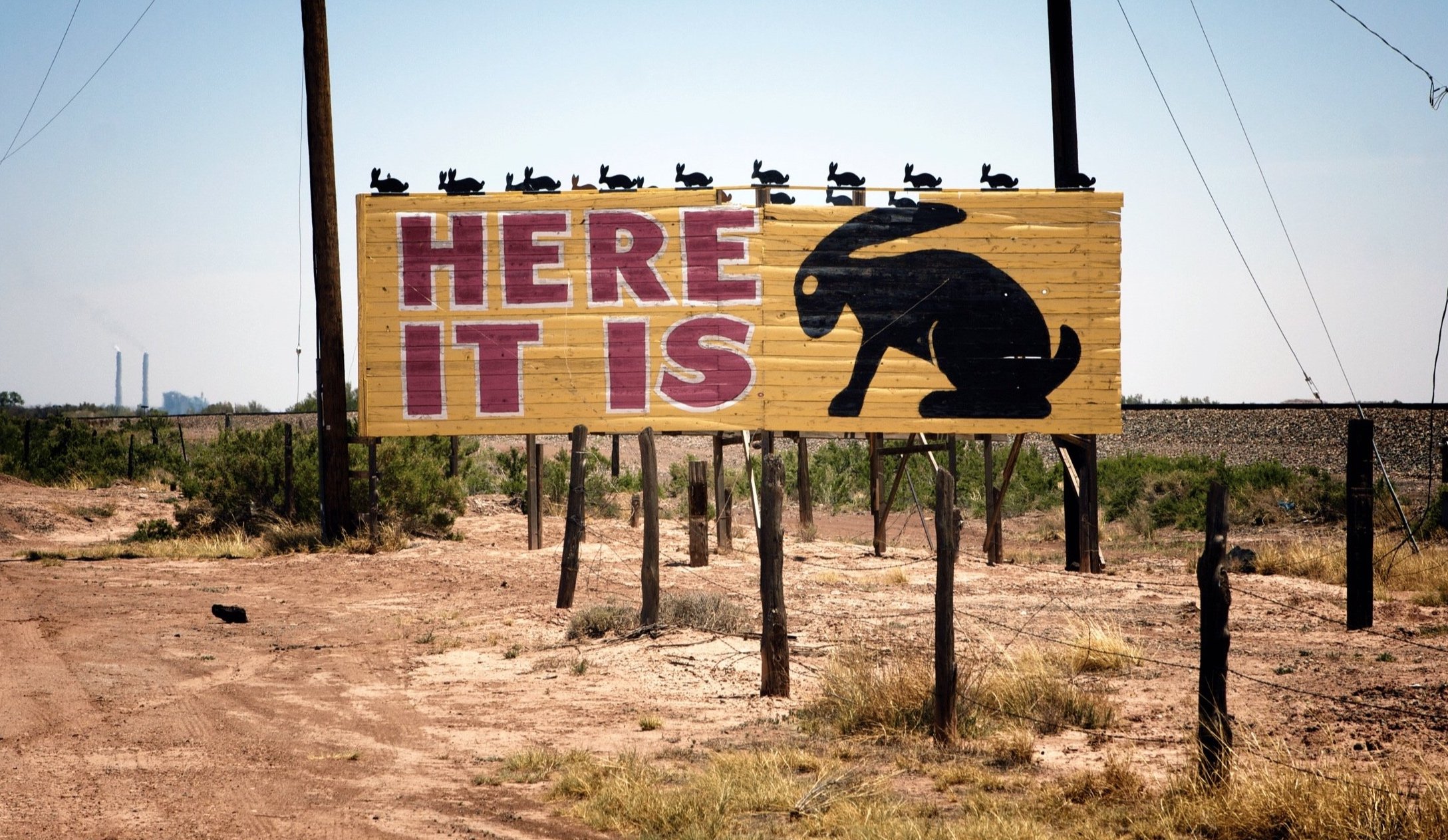


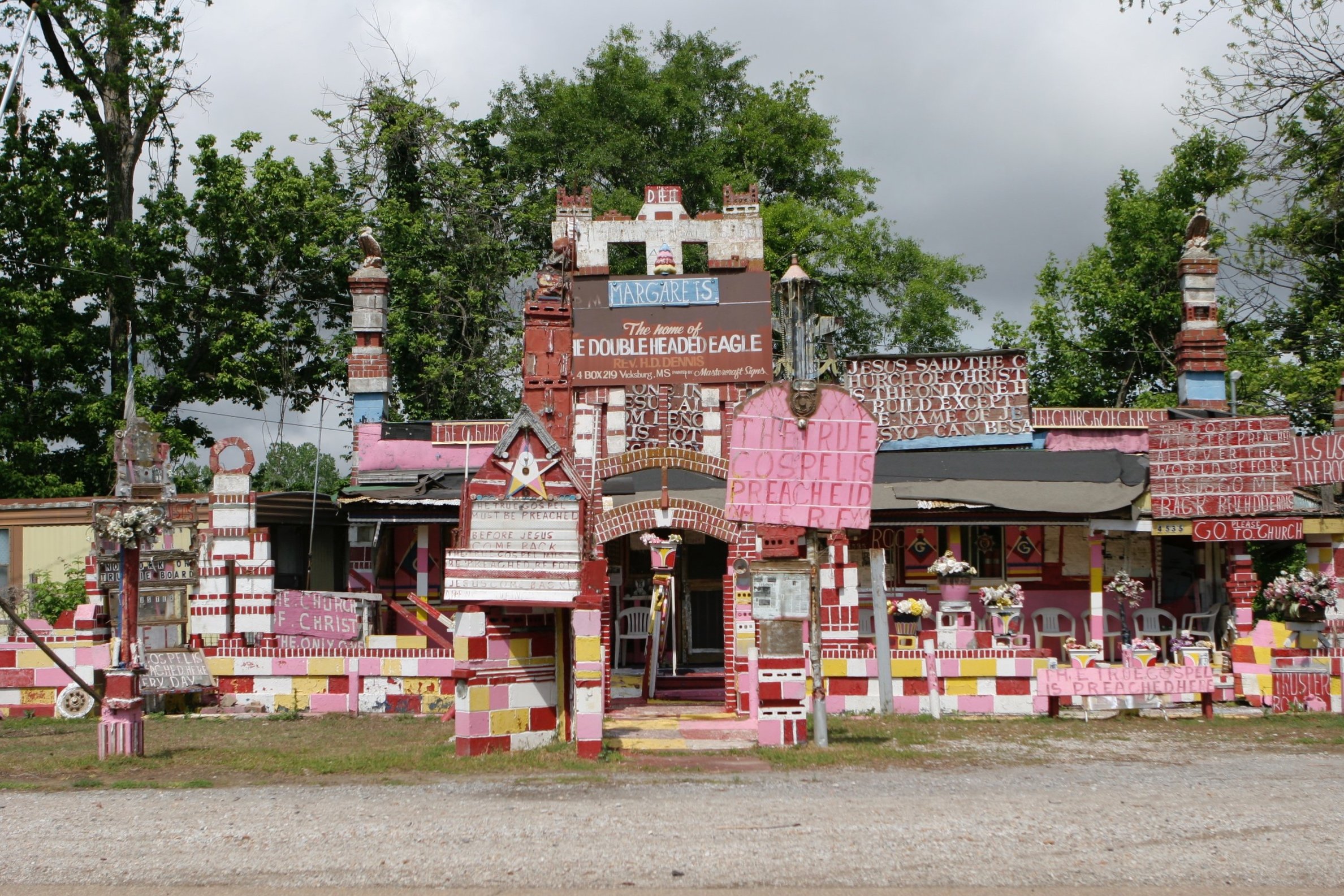

Artist-built Environments in the United States.
Note: Things change, so check first before arriving. When visiting art environments, remember they are usually on private property, so please be respectful and don’t trespass.
Hello, World!
Road stories.
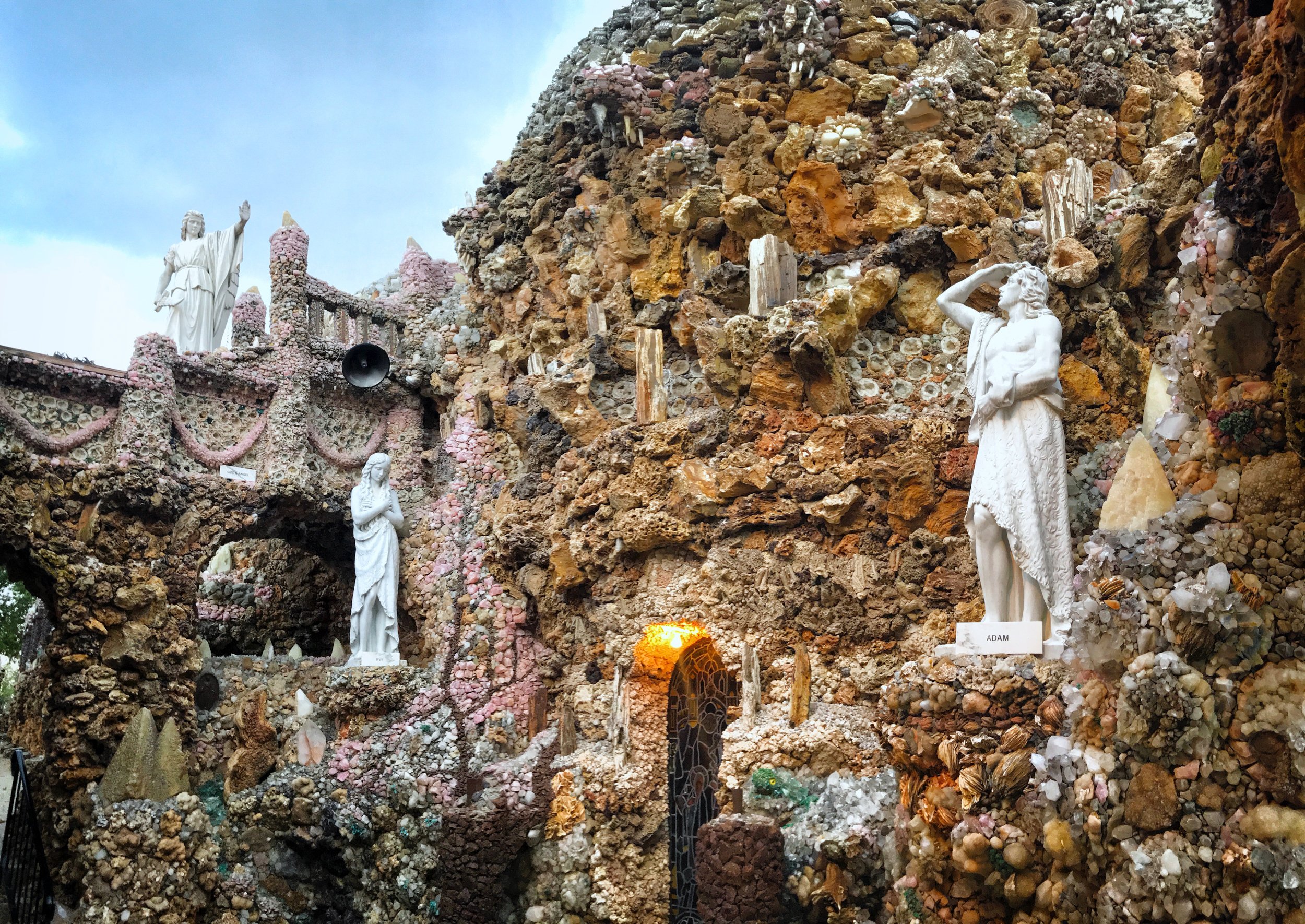
Grotto of the Redemption — The Epicenter of Midwestern Grottos
The eighth wonder of the world is in Iowa. At least, that's what the advertisements say, and who am I to argue with them? Rising out of the small town of West Bend (pop. 862), a part of Iowa where the landscape is seldom disturbed by anything larger than a grain silo, lies the Grotto of the Redemption. Grottos are a phenomenon we've seen a lot of over the years, but this one is King of the Hill.

Temple of Tolerance - Jim Bowsher
Jim Bowsher, philosopher, artist and teacher, has dedicated not only his 1-acre yard and his life to creating this weighty symbol of tolerance. The hundreds of tons of rock have been intentionally laid, creating a jaw-dropping stone wonderland. He loves local history. He loves having it come alive for people, and not just being some stuffy thing in a book. That's part of why he built what he calls the Temple of Tolerance in his backyard. Well, actually, in three backyards that he purchased to make room for the giant glacial rocks that stand at the heart of it.
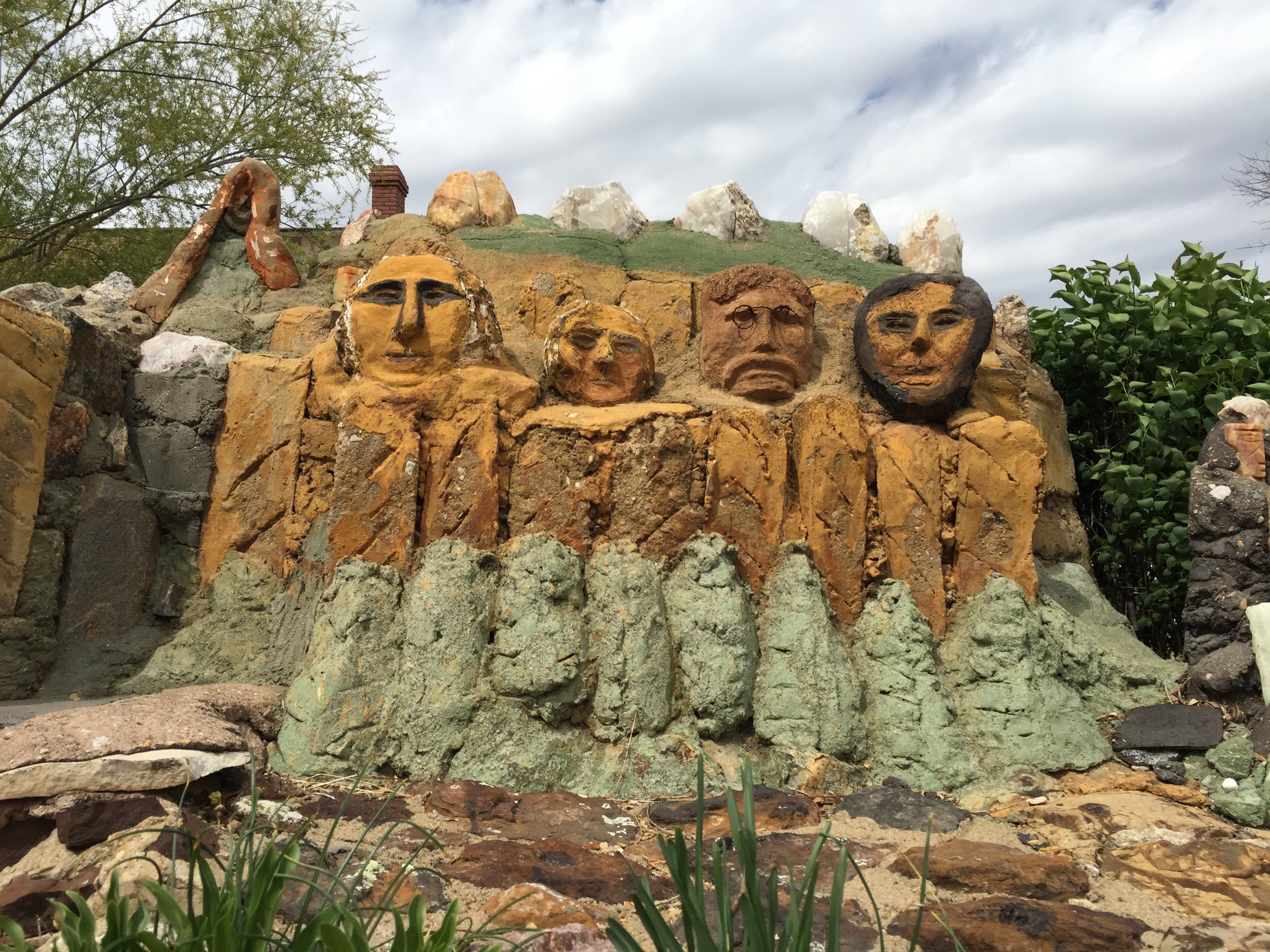
Rock Garden and Concrete Postcards - Florence Deeble
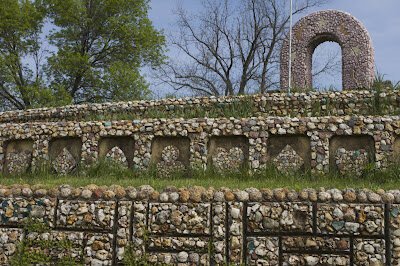
Since 1935, Miss Deeble created miniature "postal card" scenes of the places she had visited or read about in books. Some of these included Mount Rushmore, Estes Park Conference Camp, and the Tetons. Florence worked the last 10 years of her life creating tributes to the Lucas City Band, founding fathers, a monument to her father and another to her brother, Burl, who served in WWII. She enjoyed visitors to her garden and carefully kept a guest book listing everyone who visited.
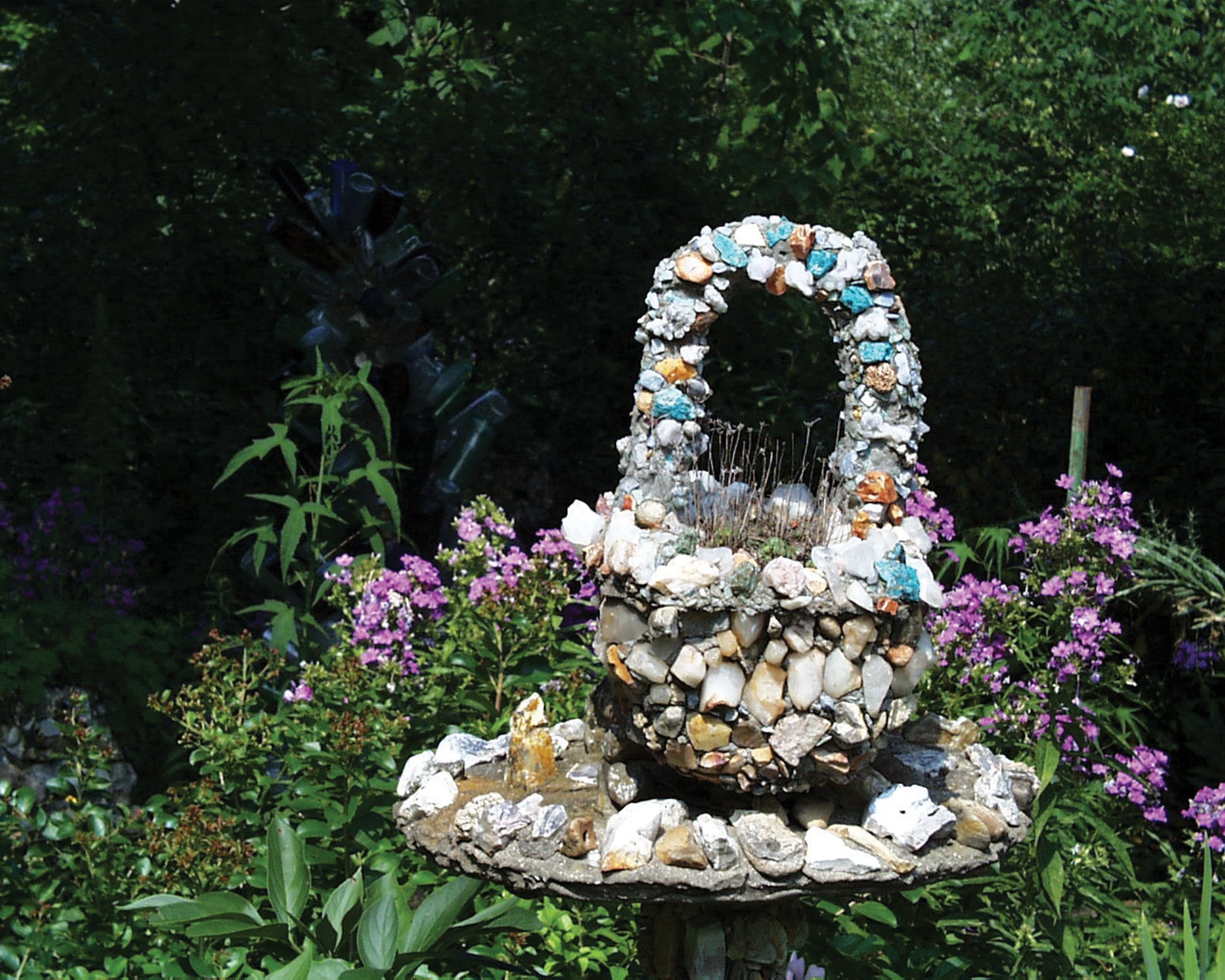
Quigley's Castle - Elise Quigley
In 1943, Elise Quigley asked her husband to build her a new house. Because she loved nature, she designed the house with 32 glass window boxes. When he didn't act quickly enough, Mrs. Q took matters into her own hands. She moved all their belongings out to the barn - forcing him to begin the building process. Along the way, she started adding the decorative rockwork that adds to its splendor. With a Plexiglass butterfly wall inside and bottle trees and stone fences around the grounds, Mrs. Quigley's digs are undeniably memorable.